
Why the Richest Nation in the World Is Struggling With Literacy — and How Nardagani Is Helping Close the Gap
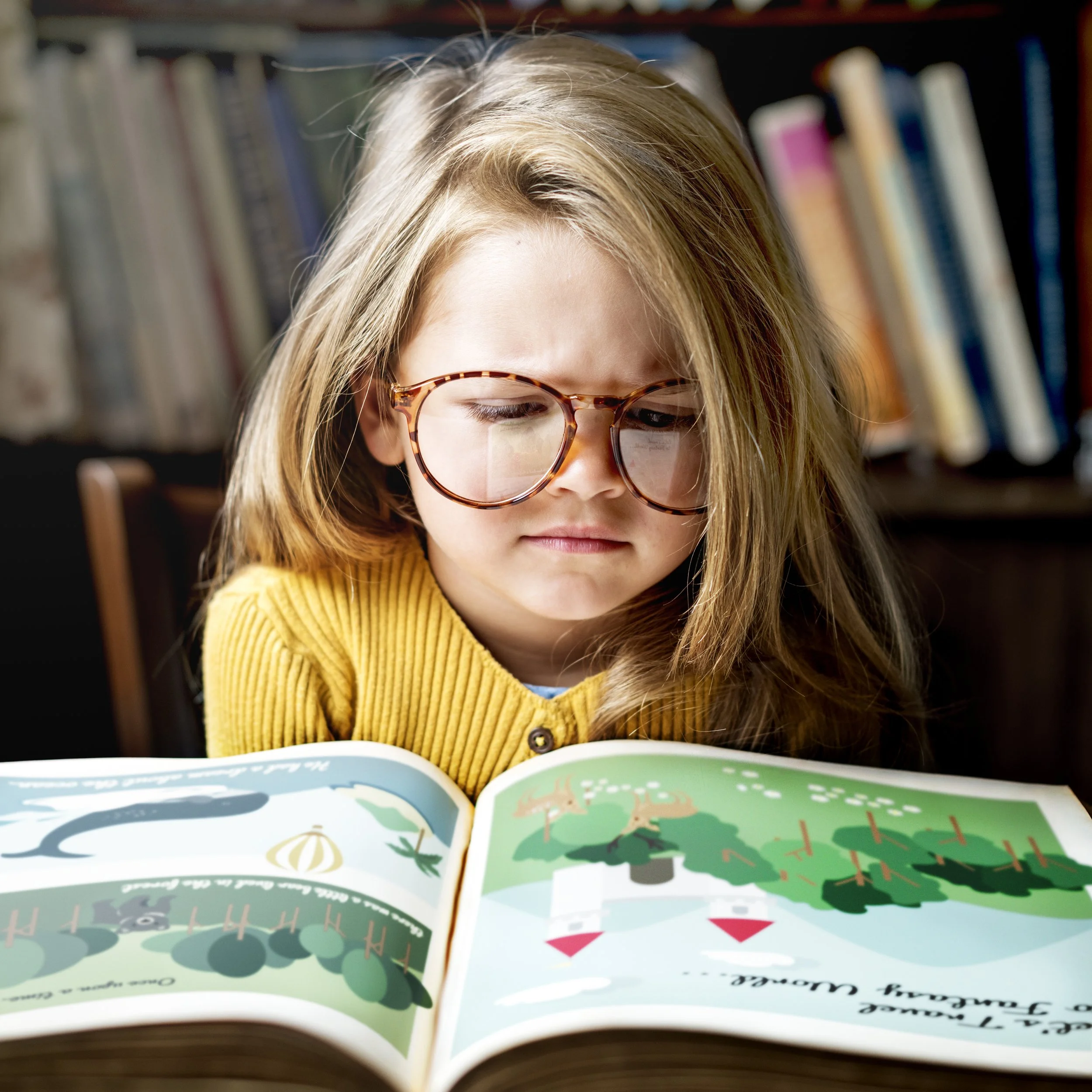
The United States is the wealthiest country on Earth, yet millions of children and adults struggle to read. This isn’t because Americans are less capable or less motivated. It’s because the systems that support literacy have been uneven, underfunded, and inconsistent for decades.
Across the country, families face a patchwork of reading instruction, school resources, and access to books. Where a child lives often determines the quality of their education. Many schools still rely on outdated reading methods that research shows don’t work for challenged learners. Public libraries — the backbone of community literacy — are facing budget cuts and political pressure. And adult literacy programs, which help parents support their children’s learning, are funded at levels far below what the need requires.
The result is a widening literacy gap that affects every part of life in America: education, employment, health, and opportunity in America.
Nardagani was created to meet this moment.
It’s a simple, intuitive method that helps learners decode English quickly and confidently. It works for children who have fallen behind, adults who never received the support they needed, and families who want a clear, accessible path to their children’s reading success.
The Nardagani method doesn't require expensive materials or specialized training. It can be taught by teachers, tutors, or parents — or used independently by learners themselves. In a country where literacy support is uneven, Nardagani offers a bridge — a way to give every learner a fair chance.
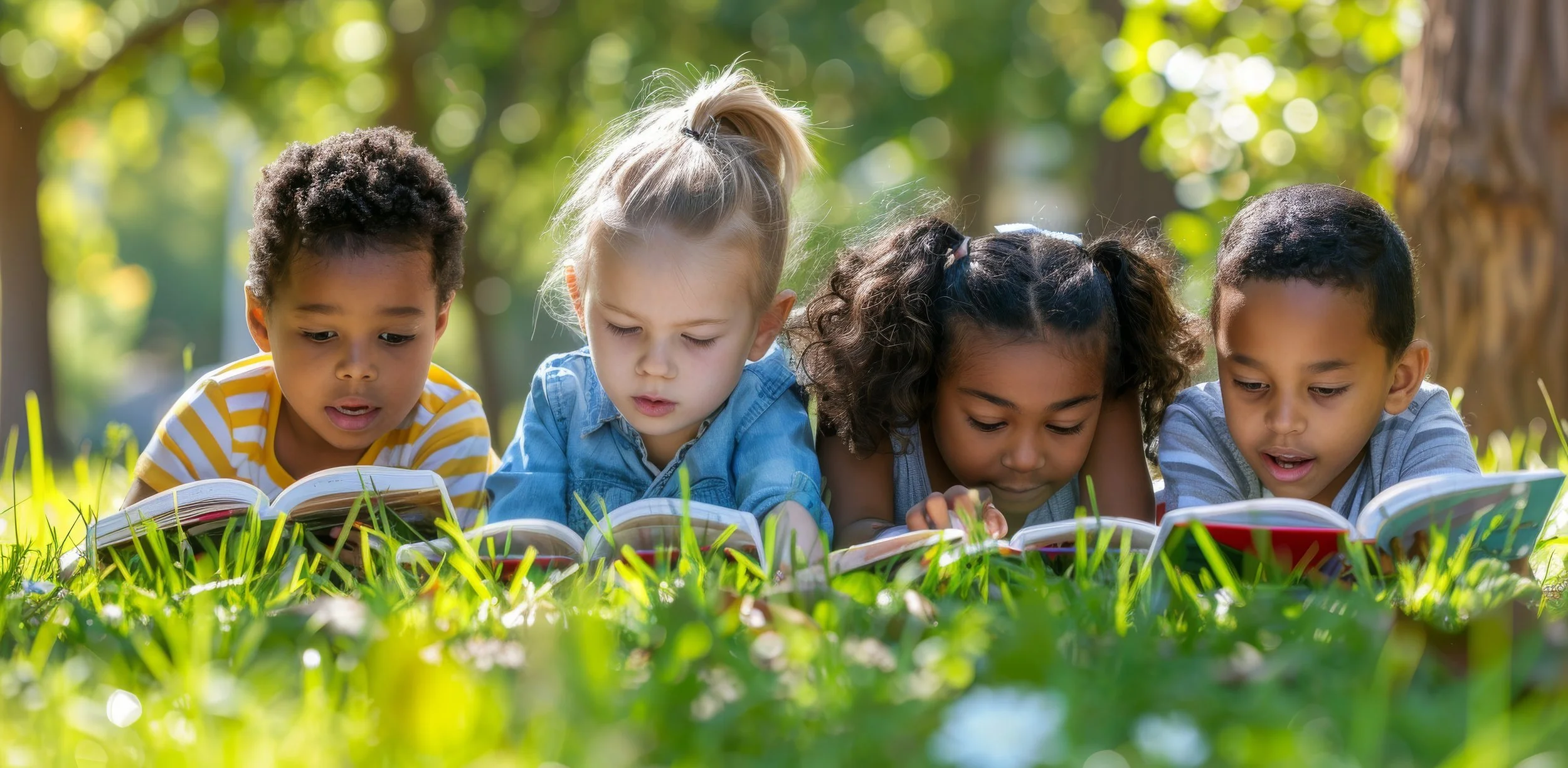
Literacy is dignity. Literacy is opportunity. Literacy is freedom. Most importantly, what literacy does to the imagination is magic.
And together, we can help more people experience the joy and confidence that comes from reading their first book.