Nardagani is Different From Other Reading Programs
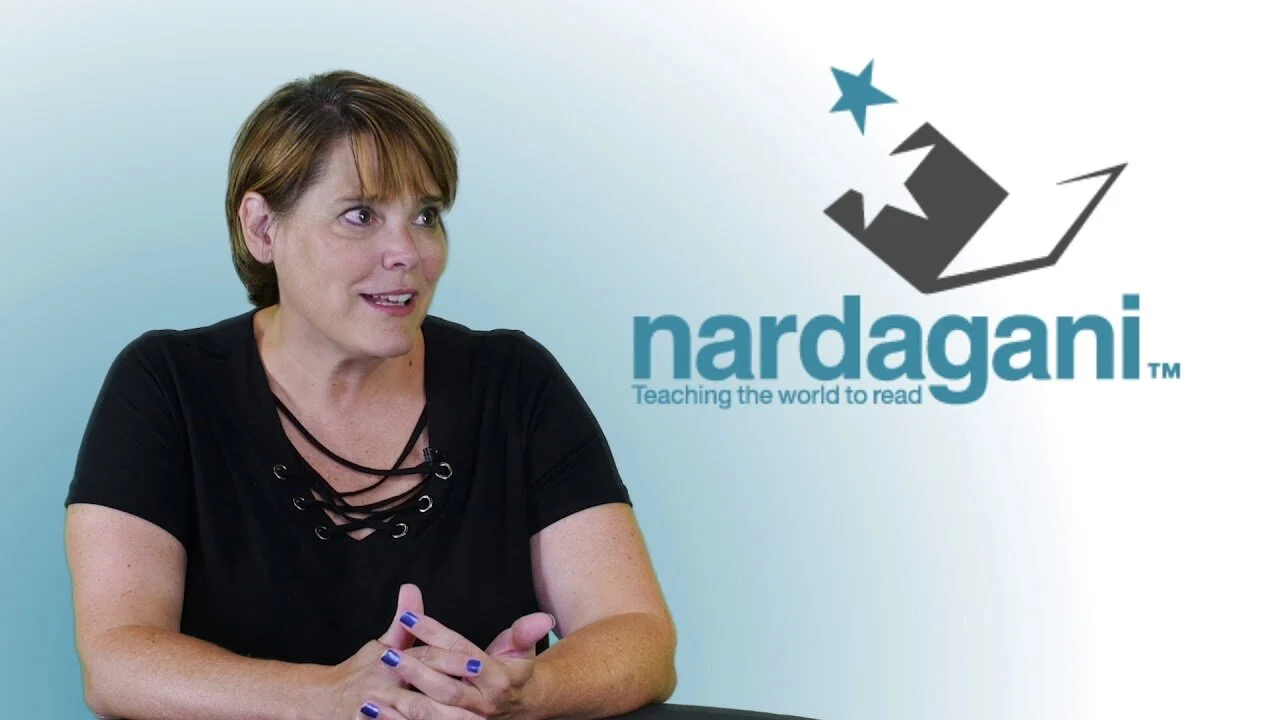
Dr. Jeffrey Wilhelm, a Nardagani advisory board member, a distinguished professor of English education at Boise State University in Boise, Idaho, and a nationally recognized literacy expert, answers questions regarding what makes this online reading program unique.
Read More
Teaching English to ESL Adults and Kids with Nardagani
The Nardagani online program has been successful in teaching both adults and children who are ESL students. Improved English pronunciation and reading are two goals that ESL students often want to achieve. Using the Nardagani English speaking program can make this happen for all ESL learners.
Read More
A Teacher’s Recommendation for Children Struggling with Reading
Literacy specialist Beth Zuschlag shares why the Nardagani Reading Program helps children struggling with reading. Learn how it boosts decoding, fluency, and student confidence
Read More
CEO of Nardagani Author Narda Pitkethly Interview
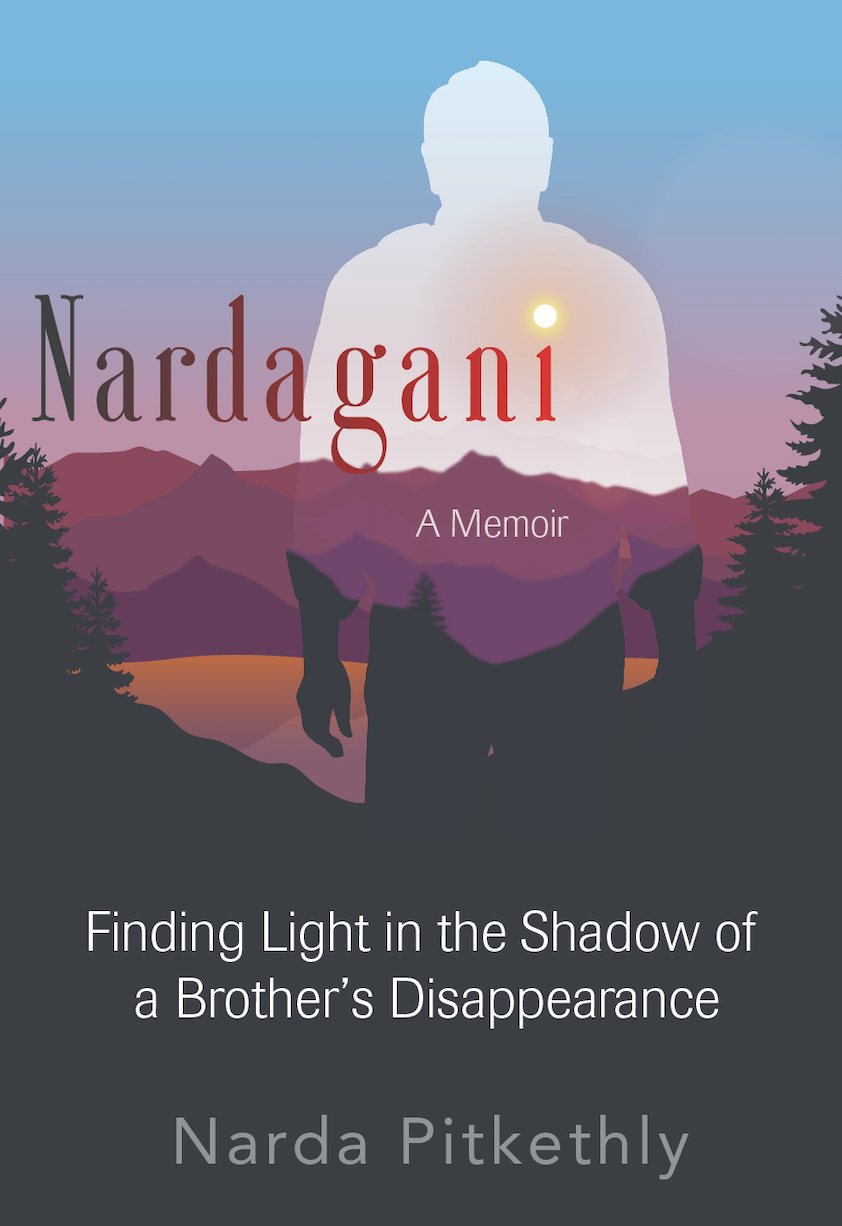
Narda Pitkethly, CEO of Nardagani, has released her first novel, “Nardagani: A Memoir - Finding Light in the Shadow of a Brother's Disappearance.” The book chronicles Narda’s brother (Jay) disappearance in September 2001, near the Big Wood River in Ketchum, Idaho, and from the first sentence, we are in the grip of a narrative that will not let us go until the very last page.
Read More
Nardagani Works for ESL Program Students
Discover how the Nardagani reading and pronunciation program transforms English learners’ lives—from restaurant workers to business owners—through a simple, visual method that makes English easy to master.
Read More
How do Nardagani Symbols Work?
Discover how Nardagani symbols simplify English reading, helping students of all ages learn to read with confidence and ease.
Read More
Nardagani, TEDx Sunvalley Talk
Discover how Narda Pitkethly’s TEDx Sun Valley talk inspired over 600,000 viewers and introduced the world to the Nardagani Reading Program
Read More
Nardagani Reading Course Materials
Discover Nardagani’s reading course materials - digital lessons, printable worksheets, and optional printed books - to help students of all ages learn to read
Read More
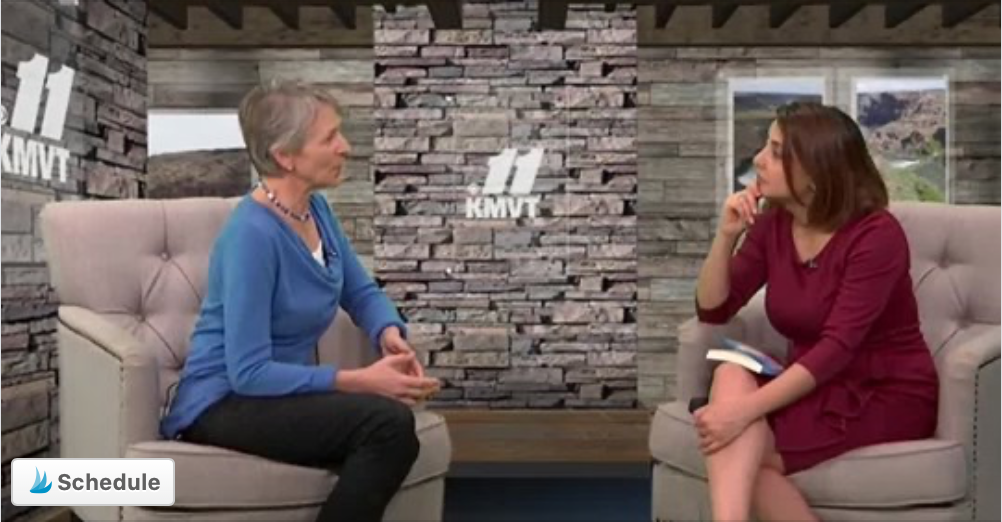
Narda Pitkethly, Nardagani’s Founder, Interview on KMTV News
Discover how Narda Pitkethly turned personal tragedy into the Nardagani Reading Program. Her KMVT interview reveals the story behind her memoir and mission.
Read More
Orange is the new Dress Code By Karen Bossick
Two-thirds of students who can’t read proficiently by the end of the fourth grade will end up in jail or on welfare, the study added. More than 70 percent of the inmates in America’s prisons cannot read above a fourth-grade level. And 90 percent of welfare recipients are high school dropouts.
Read More